In this guide
- El Nido's Two Seasons: Dry vs. Wet
- Peak, Shoulder & Low Season at a Glance
- Month-by-Month Breakdown
- Sea Conditions & Island Hopping by Season
- Temperatures Year-Round
- Crowds, Prices & Booking Strategy
- Festivals & Holidays to Know
- What to Pack
- Why the Quieter Side of El Nido Shines in Shoulder Season
- Where to Stay: Bucana Beach
- Frequently Asked Questions
El Nido, on the northern tip of Palawan in the Philippines, is one of Southeast Asia's most spectacular destinations — a place of towering limestone karsts, hidden lagoons, and water so clear it barely looks real. But the experience you have here depends enormously on when you arrive. The difference between glassy turquoise seas perfect for island hopping and a stretch of storm-bound days waiting out the rain comes down to timing.
So what is the best time to visit El Nido? The short answer: the dry season, from November to May, offers the most reliable sunshine, the calmest seas, and the best island-hopping conditions. But the longer answer is more interesting — because El Nido has a sweet spot in the shoulder months that rewards travelers who know the rhythm of its seasons. This guide breaks down El Nido weather month by month, so you can choose the trip that fits your priorities, whether that's perfect weather, lower prices, or fewer crowds.
El Nido's Two Seasons: Dry vs. Wet
Like much of the Philippines, El Nido has two main seasons rather than four. Understanding them is the foundation of planning your trip.
The Dry Season (November to May)
The El Nido dry season runs from roughly November through May and is driven by the northeast monsoon (locally called amihan) and the calm transition months that follow it. This is the postcard version of El Nido: blue skies, gentle breezes, calm water, and boats heading out to the islands every morning without interruption.
- November to February brings the cool, breezy amihan — pleasant temperatures and lower humidity, though occasional north winds can ruffle the sea.
- March to May is the hot, dry heart of the season — the calmest seas of the year and the most dependable sunshine, but also the hottest temperatures.
If island hopping, snorkeling, kayaking, and beach days are your priority, the dry season is when to go to El Nido.
The Wet / Habagat Season (June to October)
The El Nido rainy season runs from about June through October, driven by the southwest monsoon, known locally as habagat. This period brings higher rainfall, more humidity, and the possibility of tropical storms passing through Palawan.
That said, the wet season in El Nido is often misunderstood. Rain here tends to come in heavy bursts — a dramatic afternoon downpour followed by clearing skies — rather than all-day grey drizzle. Many mornings are perfectly usable for island hopping, and the landscape turns a lush, vivid green. Palawan also sits slightly outside the main Philippine typhoon belt, so it generally sees fewer direct hits than islands further east, though storms can still cause boat trips to be cancelled.
Peak, Shoulder & Low Season at a Glance
Beyond weather, El Nido's seasons are also defined by crowds and prices. Here's how they break down:
| Season Type | Months | Weather | Crowds | Prices |
|---|---|---|---|---|
| Peak Season | Dec, Jan, Mar–Apr & holidays | Excellent, calm seas | Highest | Highest |
| Shoulder Season | Nov, Feb, May | Very good, mostly dry | Moderate | Moderate |
| Low Season | Jun–Oct | Wet, variable | Lowest | Lowest |
- Peak season centers on the Christmas–New Year holidays, Chinese New Year, and the Holy Week (Easter) period, plus the dependable sunshine of March and April. Expect the highest demand for boats, rooms, and restaurants.
- Shoulder season — particularly November, February, and May — is the connoisseur's choice. You still get excellent weather but with noticeably thinner crowds and gentler prices.
- Low season (the habagat months) offers the quietest, cheapest, greenest El Nido, ideal for budget travelers and those who don't mind a flexible itinerary.
Month-by-Month Breakdown
Here's a detailed look at the El Nido months, covering weather, sea conditions, and crowds so you can pinpoint your ideal window.
| Month | Avg. Temp | Rainfall | Sea Conditions | Crowds | Verdict |
|---|---|---|---|---|---|
| January | 25–31°C | Low | Calm, occasional breeze | High | Cool, dry, popular |
| February | 25–32°C | Very low | Calm | Moderate | Excellent shoulder month |
| March | 26–33°C | Very low | Very calm | Moderate–High | Ideal island hopping |
| April | 27–34°C | Very low | Very calm | High | Hot, dry, peak conditions |
| May | 27–34°C | Low–rising | Calm | Moderate | Great value before the rains |
| June | 26–32°C | Rising | Variable | Low | Green, quiet, occasional storms |
| July | 26–31°C | High | Variable | Low | Wet season, lush landscape |
| August | 26–31°C | High | Choppier | Low | Wettest stretch |
| September | 26–31°C | High | Variable | Low | Quiet, dramatic skies |
| October | 26–32°C | Easing | Improving | Low–Moderate | Transition, good value |
| November | 25–32°C | Easing | Calming | Moderate | Superb shoulder month |
| December | 25–31°C | Low | Calm | High | Festive, busy, beautiful |
January – Cool and Dry
January is firmly in the amihan season — cooler temperatures, low humidity, and reliable sunshine. Seas are generally calm, though north winds can occasionally pick up. It's a popular month, with holiday crowds tapering off after the first week.
February – A Shoulder-Season Gem
One of the best-kept secrets of when to go to El Nido. February delivers near-perfect weather with calm seas and dry skies, but crowds are lighter than December or the Easter period. Prices are more reasonable, too.
March & April – Peak Conditions
These are the hottest, driest, calmest months. The sea is at its glassiest, making this prime time for island hopping, snorkeling, and diving. The trade-off is heat — daytime temperatures can climb into the mid-30s°C — and bigger crowds, especially around Holy Week.
May – The Sweet Spot Before the Rains
May still belongs to the dry season for most of the month, with warm seas and plenty of sun, but prices begin to ease and crowds thin as the high season winds down. By late May, the first habagat showers may arrive, but they're typically brief.
June to September – The Green Season
The habagat brings rain, but rarely all day. Expect lush scenery, dramatic skies, and the quietest beaches of the year. Sea conditions are more variable, and the occasional storm may pause island hopping for a day or two, so build flexibility into your plans. This is the time for travelers chasing value and solitude.
October – The Turning Point
By October, the rains begin to ease and sea conditions improve. It's a transitional month that often delivers surprising stretches of fine weather at low-season prices — a savvy choice for flexible travelers.
November – The Return of the Dry Season
November marks the comeback of dependable sunshine. Seas calm, the landscape is still vibrantly green from the rains, and crowds haven't yet peaked. Along with February and May, it's one of the finest shoulder months to experience El Nido.
December – Festive and Calm
December brings calm seas and lovely weather, but also the build-up to the busy Christmas and New Year holidays. Book well ahead if you're traveling in the second half of the month.
Sea Conditions & Island Hopping by Season
For most visitors, island hopping is the whole point of coming to El Nido — gliding between Big Lagoon, Small Lagoon, Secret Lagoon, and the snorkeling spots of Bacuit Bay. Sea conditions make or break these trips.
- Best for island hopping: March and April, when seas are at their calmest, followed by the rest of the dry season (November–May).
- Good but breezier: December–February, when occasional amihan winds can create chop, though tours usually still run.
- Variable: June–October, when boat trips can be cancelled on stormy days. Booking your tours early in your stay gives you backup days if weather interrupts.
Snorkeling visibility is generally excellent throughout the dry season and can still be very good on calm wet-season mornings.
Temperatures Year-Round
El Nido is tropical and warm all year, with daytime highs typically ranging from the high 20s to mid-30s°C (low 80s to mid-90s°F) and nighttime lows rarely dropping below the low-to-mid 20s°C.
- Coolest months: December to February (great for those who find the tropics oppressive).
- Hottest months: March to May.
- Most humid months: June to September.
Sea temperatures stay warm year-round — comfortable for swimming in every season.
Crowds, Prices & Booking Strategy
- Most expensive & crowded: Christmas/New Year, Chinese New Year, Holy Week (Easter), and the March–April peak.
- Best value with great weather: the shoulder months of November, February, and May.
- Cheapest: June–October low season, when accommodation and tours often run promotions.
If traveling in peak periods, book accommodation, flights, and island-hopping tours weeks in advance. In shoulder and low season you'll have far more flexibility and room to negotiate.
Festivals & Holidays to Know
Timing your trip around — or deliberately away from — key dates can shape your experience:
- Christmas & New Year (late Dec–early Jan): Festive atmosphere but the busiest, priciest window.
- Chinese New Year (Jan/Feb): A surge of regional visitors.
- Holy Week / Easter (March or April): A major Filipino holiday; domestic tourism peaks and prices climb.
- El Nido Foundation Day & local fiestas: Community celebrations that add color to a visit if you catch one.
If you prefer calm over crowds, the weeks between these holidays in the dry season are ideal.
What to Pack
Your packing list shifts slightly with the season:
Year-round essentials:
- Lightweight, breathable clothing
- Reef-safe sunscreen and a wide-brim hat
- Sunglasses and a dry bag for boat trips
- Swimwear, a rash guard, and water shoes (handy on rocky entries)
- A reusable water bottle and basic first-aid items
- Cash — ATMs in El Nido can be limited and unreliable
Dry season (Nov–May):
- Extra sun protection — UV is intense, especially March–May
- A light layer for breezy amihan evenings (Dec–Feb)
Wet season (Jun–Oct):
- A compact rain jacket or poncho
- Quick-dry clothing and waterproof phone protection
- Flexible plans and a relaxed mindset for the occasional weather day
Why the Quieter Side of El Nido Shines in Shoulder Season
Most visitors crowd into El Nido town center, where the beaches and streets can feel packed during peak weeks. But El Nido's coastline stretches well beyond the town, and some of its most peaceful stretches sit just a short drive away — exactly where you want to be during the shoulder seasons of November, February, and May.
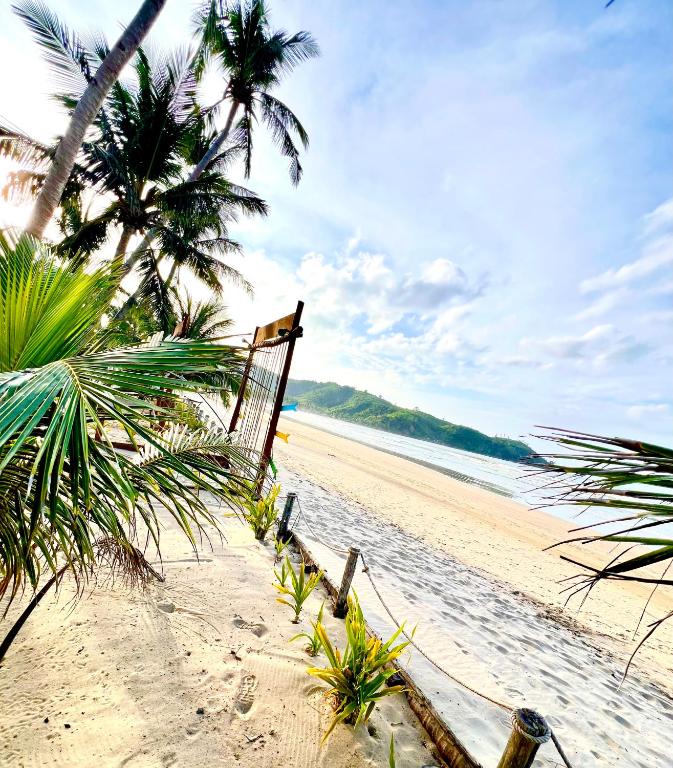
In Barangay Bucana, about 25 minutes from El Nido town, you'll find a calmer, more spacious stretch of sand where the same beautiful dry-season weather plays out without the crowds. Here, mornings start with quiet sunrises rather than queues, and you can still reach the famous island-hopping departure points with ease. For travelers who want the magic of El Nido's best weather and room to breathe, this quieter side is the ideal base — and it's exactly where you'll find Bucana Beach.
Where to Stay: Bucana Beach
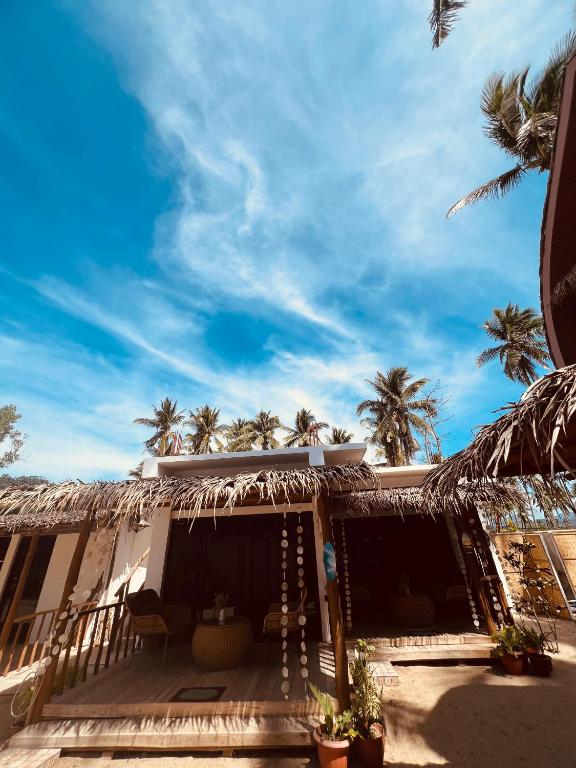
When you've chosen the perfect time to visit, the next decision is where to base yourself. Bucana Beach is a peaceful beachfront destination in Zone 3, Barangay Bucana, about 25 minutes from El Nido town — close enough for easy day trips, far enough to escape the bustle.
Bucana Beach offers two distinct properties to suit different travelers:
- The Sanctuary — a serene beachfront resort built for relaxation, with the sand and sea right at your doorstep. Book The Sanctuary.
- Zhaya's Beach & Cottages — charming, comfortable cottages with a warm, laid-back feel, rated 8.4 by guests. Book Zhaya's Beach & Cottages.
On-site, the Bucana Beach Grill & Resto Bar serves fresh local dishes and refreshing drinks with the sea breeze for company — perfect after a day on the water. Whether you come in the calm of February, the dependable sunshine of November, or the green tranquility of the low season, Bucana Beach gives you a front-row seat to El Nido at its most peaceful.
Ready to plan your trip? Explore availability and reserve your stay at Bucana Beach. Questions? get in touch or email info@thesanctuary.ph — we'll help you choose the perfect dates and make the most of your time in El Nido.
Frequently Asked Questions
What is the best time to visit El Nido?
The best time to visit El Nido is during the dry season, from November to May, when you'll enjoy reliable sunshine, calm seas, and excellent island-hopping conditions. For the best balance of great weather and fewer crowds, target the shoulder months of November, February, or May.
What is the rainy season in El Nido?
The rainy (wet) season in El Nido runs from approximately June to October, driven by the southwest monsoon known locally as habagat. Rain often comes in heavy bursts rather than all day, and the landscape turns lush and green, but seas are more variable and the occasional storm can interrupt boat trips.
What are the best months for island hopping in El Nido?
March and April offer the calmest seas and clearest conditions for island hopping, making them ideal. The wider dry season (November to May) is excellent throughout. During the wet season, tours still run on calm mornings but may be cancelled on stormy days.
Is El Nido worth visiting in the wet season?
Yes — the wet season can be rewarding for travelers seeking lower prices, fewer crowds, and vivid green scenery. Rain typically falls in short bursts, and many days remain suitable for swimming and island hopping. Just build flexibility into your plans and book tours early in your stay so you have backup days.
How hot does it get in El Nido?
El Nido is warm year-round, with daytime highs generally ranging from the high 20s to mid-30s°C (low 80s to mid-90s°F). The hottest months are March to May, while December to February are the coolest and most comfortable, thanks to the cooler amihan winds.