In this guide
- First Things First: El Nido Is Remote
- Cash & ATMs: Bring Pesos, and Plenty of Them
- WiFi, Connectivity & SIM Cards
- The El Nido Environmental Fee (ETDF)
- Power Outages, Brownouts & Adaptors
- What to Pack: El Nido Packing List
- Getting Around El Nido
- Health, Safety & Drinking Water
- Tipping, Language & Etiquette
- Sustainable & Responsible Travel
- El Nido Budget: Rough Daily Costs
- Book Accommodation & Tours Ahead
- Where to Stay: Bucana Beach
- Frequently Asked Questions
El Nido, Palawan is one of the most beautiful destinations on the planet — towering limestone karsts, hidden lagoons, powder-white beaches and some of the clearest turquoise water in Southeast Asia. But it is also a remote corner of the Philippines, and a smooth trip depends on knowing a few practical things before you arrive.
This guide pulls together the most useful El Nido travel tips we share with our own guests: how cash and ATMs really work, what to expect from WiFi and SIM cards, the environmental fee you'll need to pay, a smart packing list, budgeting, getting around, health and safety, and how to travel responsibly. Read it before you go and you'll skip the rookie mistakes that catch most first-time visitors.
If you only remember one thing: bring plenty of cash, lower your expectations for WiFi speed, and book your stay and tours ahead. Everything else flows from there.
First Things First: El Nido Is Remote
El Nido sits at the northern tip of mainland Palawan, roughly five to six hours by van from Puerto Princesa airport, or a short flight into the small Lio Airport nearby. It is a town that has grown quickly around tourism but still runs on island infrastructure. That means limited banking, occasional power cuts, patchy internet and a slower pace of life.
None of that should put you off — it's part of the charm. But it does mean a little preparation goes a long way. The travelers who struggle in El Nido are almost always the ones who assumed it would work like a big-city beach resort. It doesn't, and that's exactly why it's still magical.
Cash & ATMs: Bring Pesos, and Plenty of Them
This is the single most important of all El Nido travel tips: El Nido is a cash-first destination.
- Most small restaurants, tricycle drivers, market stalls, tour operators and budget accommodations accept cash only (Philippine pesos).
- ATMs in El Nido town are limited in number and frequently run out of cash, especially on weekends, holidays and during power outages.
- Many ATMs charge withdrawal fees of around ₱200–₱250 per transaction and cap withdrawals at ₱10,000–₱20,000.
- Card payments are accepted at some larger hotels, dive shops and nicer restaurants, but you should never rely on cards alone.
What to do: Withdraw a healthy amount of pesos in Puerto Princesa or Manila before you travel north, where ATMs are more plentiful and reliable. Carry enough cash to cover tours, food, transport and tips for your whole stay, plus a buffer. Keep your money split between a few places (day wallet, locked bag, hotel safe) rather than all in one spot.
A rough rule: budget your full trip in cash and add 20–30% extra for the inevitable "I didn't plan for that" moments.
WiFi, Connectivity & SIM Cards
Be honest with yourself before you arrive: El Nido is not the place for fast, reliable internet. Connectivity has improved year on year, but it remains slow and inconsistent compared to mainland cities.
WiFi
- Most accommodations advertise free WiFi, and it's fine for messaging, checking emails and light browsing.
- Video calls, large uploads and streaming can be frustrating, particularly in the evenings when everyone is online at once.
- Power outages take WiFi down with them.
If you need to work remotely or stay reachable, choose accommodation that is upfront about its connection. At Bucana Beach both stays offer free WiFi, but we always recommend guests treat El Nido as a chance to genuinely disconnect.
SIM Cards & Mobile Data
A local SIM is the most reliable way to stay connected.
- The two main networks are Globe and Smart. Coverage in El Nido is decent in town and weaker out on the islands.
- Buy a prepaid SIM at the airport (Puerto Princesa or Manila) on arrival — staff will help you register and load a data package.
- Top up "promos" (data bundles) at convenience stores, sari-sari shops and load stations all over town.
- Consider buying one Globe SIM and one Smart SIM between your group, since coverage varies by location.
- An eSIM purchased before you fly is a convenient alternative if your phone supports it.
Set expectations with anyone back home: you may go hours, sometimes a day, without a strong signal. That's normal.
The El Nido Environmental Fee (ETDF)
Every visitor to El Nido must pay the Eco-Tourism Development Fee (ETDF), a local environmental fee that funds conservation and waste management in the area.
- It costs roughly ₱400–₱500 per person and is typically valid for around 10 days.
- You usually pay it when booking your first island-hopping tour, or at a designated office in town.
- You'll receive a paper certificate or wristband — keep it, as tour operators will ask to see it before taking you out on the water.
Factor this into your budget and don't be surprised by it. It's a small price for keeping these lagoons pristine, and it's mandatory.
Power Outages, Brownouts & Adaptors
Scheduled and unscheduled brownouts (power outages) are a normal part of life in El Nido. They can last anywhere from a few minutes to several hours.
- Many establishments run generators, but not all, and smaller places may go dark.
- A power cut usually also means no WiFi and sometimes no running water (which often relies on electric pumps).
Come prepared:
- Bring a power bank (ideally two) and keep them topped up.
- Charge all your devices whenever power is available.
- Pack a headlamp or small flashlight for evening blackouts.
Plugs & Adaptors
The Philippines uses 220V at 60Hz, with plug types A, B and C. Most sockets accept the flat two-prong (US-style) plug. If your devices use a different plug, bring a universal travel adaptor. Check that your chargers support 220V (almost all modern phone and laptop chargers do).
What to Pack: El Nido Packing List
A smart El Nido packing list is built around sun, salt water and island-hopping. Pack light, but don't skip these essentials:
- Reef-safe sunscreen — the tropical sun is intense, and reef-safe formulas protect the coral you came to see. Some tours and beaches restrict non-reef-safe products.
- Dry bag — a 10–20L waterproof dry bag keeps your phone, cash and camera safe on boats and in lagoons.
- Water shoes / reef shoes — beaches and entry points can be rocky or have sharp coral and sea urchins.
- Rash guard or light long-sleeve top — better sun protection than reapplying sunscreen all day.
- Quick-dry towel and swimwear (bring two sets so one is always dry).
- Insect repellent — useful at dawn and dusk.
- Basic first-aid kit — plasters, antiseptic, motion-sickness tablets, any personal medication.
- Power bank, headlamp and travel adaptor (see above).
- Cash in pesos in a secure wallet.
- Snorkel and mask if you have your own (rentals are available but variable in quality).
- Lightweight, breathable clothing — it's hot and humid year-round.
- A light rain jacket in the wet season (roughly June–November).
Leave heavy clothes, valuables you don't need and rigid expectations at home.
Getting Around El Nido
Tricycles
The tricycle (a motorbike with a sidecar) is the workhorse of local transport. Short hops within town cost around ₱50–₱150; longer rides to outlying beaches and barangays cost more. Always agree the fare before you get in.
Motorbike Rental
Renting a motorbike or scooter (around ₱500–₱800 per day) gives you freedom to explore beaches outside town at your own pace. Only ride if you're experienced — roads can be rough, unlit at night and busy with other vehicles. Wear a helmet and check the bike before you ride off.
Private & Hotel Transfers
For arrivals, departures and getting to quieter areas, a private transfer is the most comfortable option, especially with luggage or after a long travel day. Many accommodations, including Bucana Beach, can arrange airport and town transfers — message ahead to book.
Boats
Island-hopping is done by bangka (outrigger boat), almost always as part of an organized tour rather than independent hire.
Health, Safety & Drinking Water
Is El Nido Safe?
Yes — El Nido is generally a safe destination for travelers, including solo travelers and families. Violent crime is rare. The main risks are practical rather than personal:
- Sun and dehydration — pace yourself and drink plenty of water.
- Sea conditions and currents — listen to your boat crew and guides.
- Petty theft — uncommon, but use normal precautions: lock valuables away and don't leave belongings unattended on the beach.
- Road safety — the biggest genuine risk, especially on rented motorbikes.
Use common sense, respect the ocean and you'll be fine.
Drinking Water
Do not drink tap water in El Nido. Stick to bottled or filtered water. To cut down on single-use plastic:
- Bring a reusable bottle and refill at water refill stations (very cheap and common in town).
- Many accommodations and restaurants offer filtered refill water.
Medical Care
Medical facilities in El Nido are basic. There is a local health center and clinics for minor issues, but serious cases require travel to Puerto Princesa. Travel insurance that covers medical evacuation is strongly recommended. Bring any personal medications with you, as pharmacies have limited stock.
Tipping, Language & Etiquette
Tipping
Tipping isn't strictly required but is appreciated and increasingly common in tourist areas.
- Tour guides and boat crew: ₱100–₱200 per person for a good day out is generous and welcomed.
- Restaurants: a service charge is sometimes included; if not, rounding up or 10% is kind.
- Tricycle drivers: not expected, but rounding up is appreciated.
Language
English is widely spoken in El Nido, so communication is rarely a problem. Filipino (Tagalog) is the national language, and learning a few words goes a long way:
- Salamat — thank you
- Magkano? — how much?
- Kumusta — hello / how are you
Etiquette
Filipinos are famously warm and hospitable. A smile, patience and politeness are reciprocated tenfold. Embrace "island time" — things move slowly, schedules slip, and getting frustrated won't speed anything up. Dress modestly away from the beach, and always ask before photographing people.
Sustainable & Responsible Travel
El Nido's beauty is fragile, and tourism puts real pressure on it. Travel gently:
- Use reef-safe sunscreen and never touch or stand on coral.
- Take all your trash with you, especially on boat tours.
- Refuse single-use plastic where you can — bring your reusable bottle and bag.
- Don't collect shells, coral or sand as souvenirs.
- Support local businesses, guides and family-run stays.
- Pay your ETDF gladly — it directly funds conservation.
Choosing a smaller, lower-impact place to stay — somewhere outside the busy town center — is one of the most meaningful sustainable choices you can make. It eases pressure on the town and supports the surrounding communities.
El Nido Budget: Rough Daily Costs
How much does El Nido cost? It can flex from backpacker-cheap to comfortably mid-range. Here's a realistic El Nido budget guide (per person, per day, excluding accommodation):
- Budget traveler: ₱1,500–₱2,500 — local eateries, shared tricycles, one tour split across days.
- Mid-range traveler: ₱2,500–₱5,000 — nicer restaurants, daily tours, occasional private transfers.
- Comfort traveler: ₱5,000+ — private boats, premium dining, transfers and extras.
Big-ticket items to budget separately:
- Island-hopping tours: roughly ₱1,200–₱2,500 per person per tour (Tours A, B, C and D), usually including lunch.
- ETDF environmental fee: ~₱400–₱500 once per visit.
- Accommodation: anywhere from budget dorms to comfortable beachfront stays.
- Transfers: airport vans and private transfers add up — plan ahead.
Bring it all in cash, and remember the ATM caveats above.
Book Accommodation & Tours Ahead
El Nido is popular, and the best places fill up — especially in peak season (roughly December to May) and around holidays.
- Book your accommodation in advance. Quality stays at good prices go quickly, and walk-in availability is unpredictable.
- Book island-hopping tours a day or two ahead, or as soon as you arrive. Tours A and C (the famous lagoons) are the most in-demand.
- Arrange your transfers before you arrive so you're not stranded after a long travel day.
A little forward planning turns a potentially stressful arrival into a seamless one.
Where to Stay: Bucana Beach
The town center is lively but can be crowded, noisy and busy. If you'd rather wake up to the sound of the waves instead of tricycle horns, base yourself somewhere quieter — and that's exactly what we offer.
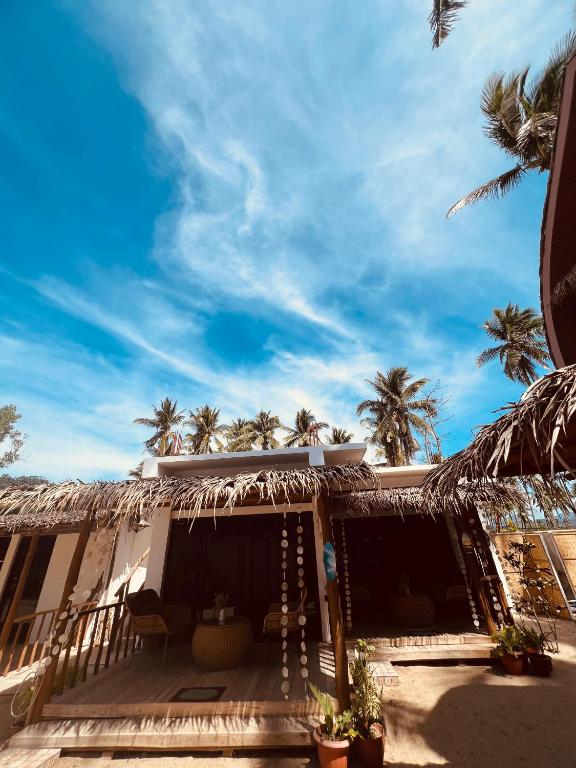
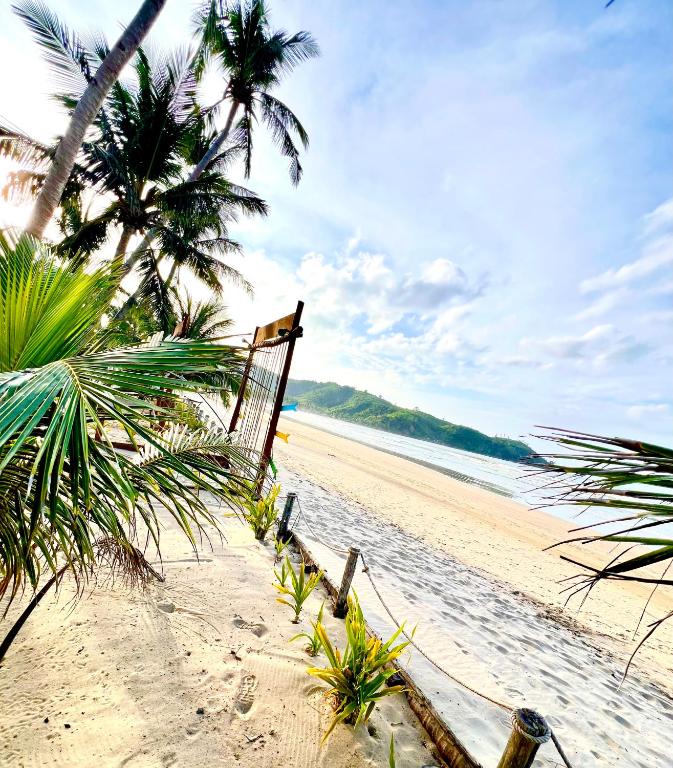
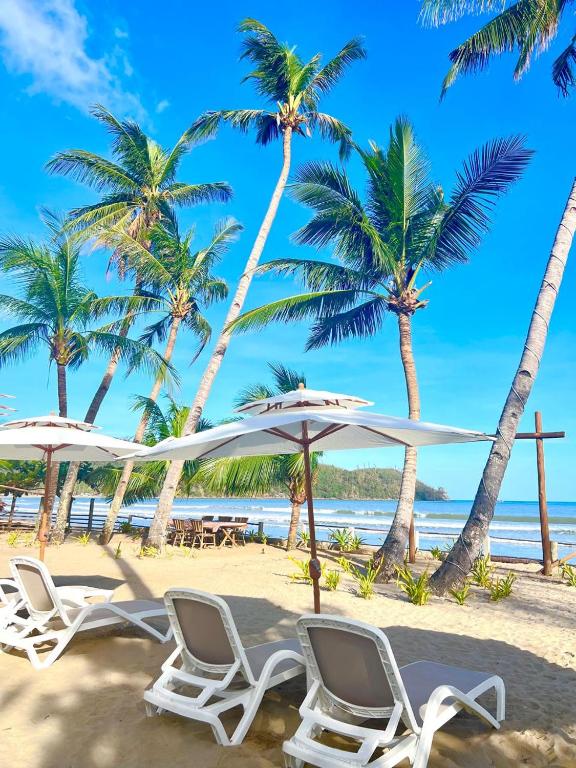
Bucana Beach is a peaceful beachfront destination just 25 minutes from El Nido town, in Zone 3, Barangay Bucana, Palawan. You get the calm of a near-private stretch of beach while staying close enough to reach the town and tour departure points easily.
We offer two distinct stays:
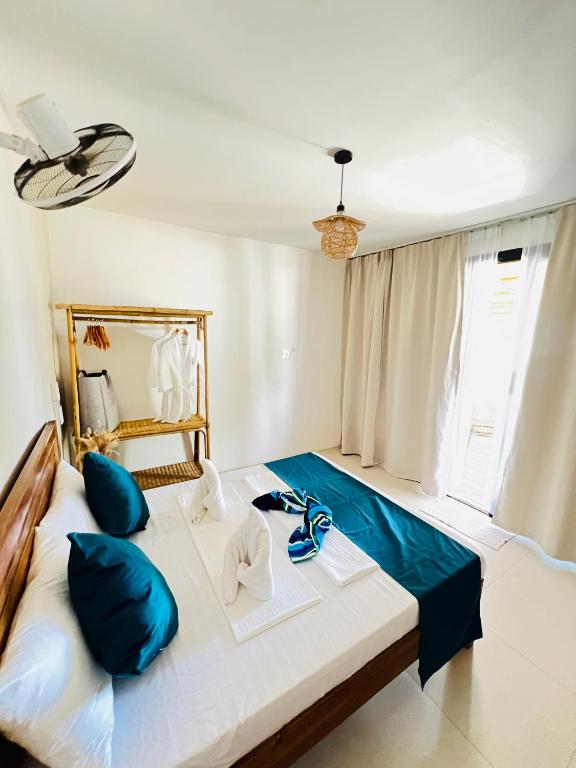
The Sanctuary — a serene beachfront retreat for travelers who want space, quiet and a true escape. 👉 Book The Sanctuary
Zhaya's Beach & Cottages — comfortable, friendly cottages right on the sand, rated 8.4 by guests. 👉 Book Zhaya's Beach & Cottages
Both stays include:
- Free WiFi to stay connected
- Free parking if you're driving or renting a motorbike
- Direct beachfront access
- Our on-site Bucana Beach Grill & Resto Bar for fresh food and drinks without leaving the property
Staying with us means you get the best of both worlds: easy access to El Nido's legendary lagoons, and a tranquil home base to return to at the end of each day.
Ready to plan your trip? Message us on phone or WhatsApp at get in touch, or book online today. Visit Bucana Beach to learn more and reserve your stay.
Frequently Asked Questions
Is El Nido expensive?
El Nido can suit a range of budgets. Budget travelers can get by on around ₱1,500–₱2,500 per day excluding accommodation, while mid-range travelers should expect ₱2,500–₱5,000. The biggest costs are island-hopping tours (₱1,200–₱2,500 each) and accommodation. It's affordable by Western standards but pricier than mainland Philippines due to its remote location.
Do you need cash in El Nido?
Yes — cash is essential. Most restaurants, tricycles, tour operators and small shops accept Philippine pesos only, and ATMs in town are limited and often run out of cash. Withdraw plenty of pesos in Puerto Princesa or Manila before heading north, and carry enough for your whole trip plus a buffer.
Is there WiFi in El Nido?
Yes, but it's slow and inconsistent. Most accommodations, including Bucana Beach, offer free WiFi that's fine for messaging and light browsing, but video calls and streaming can be frustrating. A local Globe or Smart SIM card with a prepaid data package is the most reliable way to stay connected, and outages can take WiFi offline temporarily.
Is El Nido safe for travelers?
Yes, El Nido is generally very safe, including for solo travelers and families. Violent crime is rare. The main risks are practical: sun exposure, sea currents, and road safety on rented motorbikes. Use normal precautions, respect the ocean, don't drink the tap water, and consider travel insurance with medical evacuation cover.
What should I pack for El Nido?
Essentials include reef-safe sunscreen, a waterproof dry bag, water shoes, a rash guard, quick-dry towel, insect repellent, a power bank, a headlamp for brownouts, a universal travel adaptor, a basic first-aid kit, a reusable water bottle, and plenty of pesos in cash. Pack light, breathable clothing and a rain jacket if traveling in the wet season.
Plan smart, travel light, and let El Nido take care of the rest. When you're ready for a peaceful beachfront base just 25 minutes from town, Bucana Beach is here to welcome you.